
Websites · 12 October 2026 · 6 min read
What Affects the Cost of a Website in Kenya?
Two quotes for “a website” can be worlds apart. Here is what actually drives the price, so you can compare quotes fairly and spend where it matters.
By Sege Peter, Founder, Skope Designs
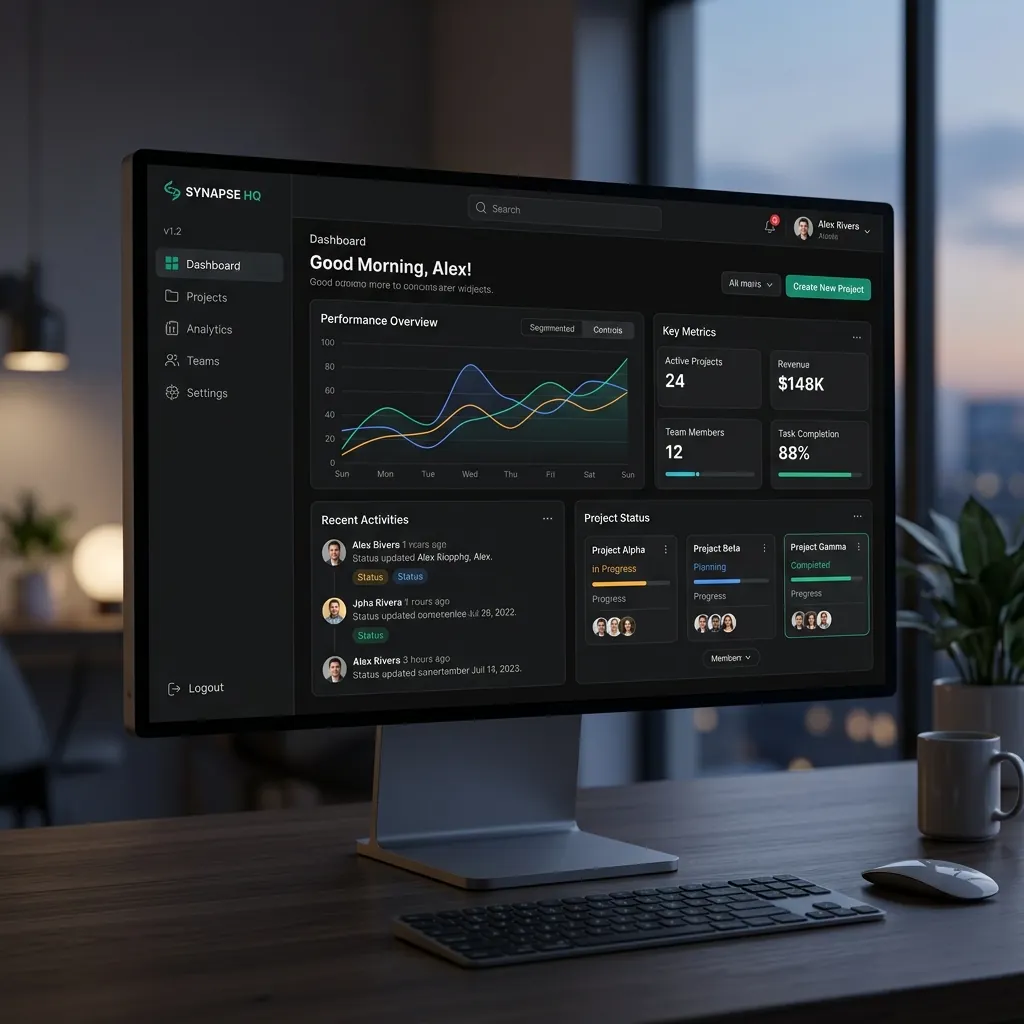
“How much does a website cost?” is the first question almost every client asks us, and the honest answer is: it depends on what the website needs to do. A one-page profile for a new business and an online store with M-Pesa checkout are both “websites”, but they are very different projects.
These are the factors that move the price most.
1. What the website needs to do
This is the biggest factor by far. Roughly, websites fall into three groups:
- Brochure or profile sites that tell people who you are, what you offer and how to reach you.
- Content-managed sites where your team publishes news, blog posts, events or job openings themselves.
- Web applications with logins, bookings, payments, dashboards or integrations with other systems.
Each step up adds design, development and testing time. Be clear about which group you are in before you ask for quotes.
2. Number of pages and how unique they are
Ten pages that share one layout cost far less than ten pages that each need their own design. Ask yourself which pages are truly different (home, services, a product page, contact) and which are variations of the same template.
3. Custom design or a template
A ready-made template is quicker and cheaper, but you will look like everyone else using it, and it often carries code you do not need. A custom design is built around your brand and your customers, and usually loads faster. Many projects sit in between: a custom look built on proven components.
4. Features and integrations
Every feature has a cost. Common ones in Kenya include:
- M-Pesa or card payments
- Booking and appointment forms
- WhatsApp chat, SMS or email notifications
- Member or customer logins
- Connections to accounting, stock or school systems
List the features you need at launch and the ones that can wait. Launching lean and adding features later is often the smartest use of a budget.
5. Content: words, photos and video
Content is the part clients most often underestimate. Who is writing the text? Do you have good photos of your work, team and premises? Professional copywriting and photography add to the cost, but they also make the biggest difference to how many visitors become customers.
6. Domain, hosting and security
Beyond the build, budget for your domain name (for example a .co.ke), reliable hosting, an SSL certificate and backups. These are recurring costs, usually paid yearly. Cheap hosting can make a good website slow, so ask what is included.
7. SEO, speed and accessibility
A website nobody finds is an expensive brochure. Basic search engine setup, fast-loading pages and accessible design should be part of every serious quote. If a quote is much cheaper than the rest, check whether these are missing.
8. Support after launch
Websites need updates, security patches and the occasional fix. Ask whether the quote includes a support period, training for your team, and what ongoing maintenance costs.
How to get an accurate quote
Before you contact a designer, write down:
- What the website must achieve (more calls, online sales, bookings, credibility).
- The pages you think you need.
- Must-have features at launch.
- Who will provide the text and photos.
- Your timeline and budget range.
With that list, any good agency can give you a clear, comparable quote. If you would like ours, use the project planner on our services page or send us a message. We reply within 24 hours.
Have a project in mind?
Tell us what you need. We'll reply within 24 hours with ideas, a timeline and a free quote.